Sources in Rural Women's History
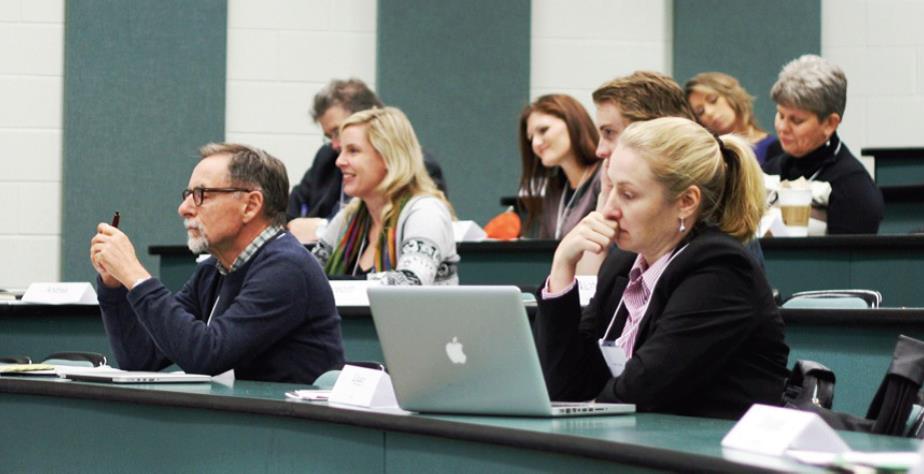
Rural Women and their Things: Thoughts on the 2015 Artifacts in Agraria Symposium
Material cultural studies are necessary when telling the story of rural women’s lives.
Material cultural studies are necessary when telling the story of rural women’s lives.
Prairie YWCAs were inclined to support the more conservative view of Christian salvation… However, the reality of supporting the needs of so many required pragmatic policies of action that later served as a template for larger urban counterparts after the onset of the Great Depression.
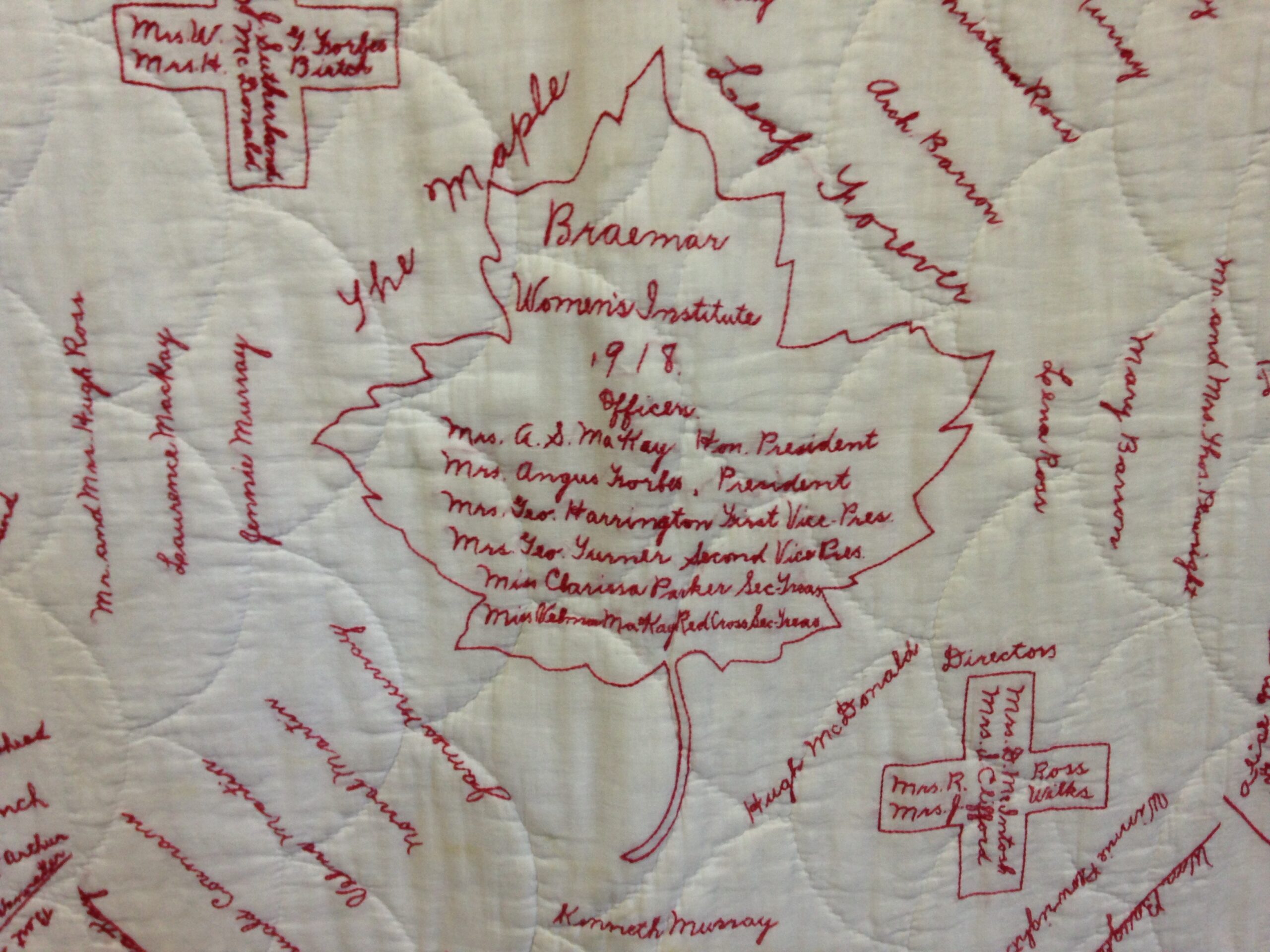
The quilting bee continued to be a mainstay in many Canadian communities during WWI.
To truly put history to work . . . it should also involve engaging and collaborating with change makers outside of the academy and on the ground.

My current research project has been transformed by digital technologies.
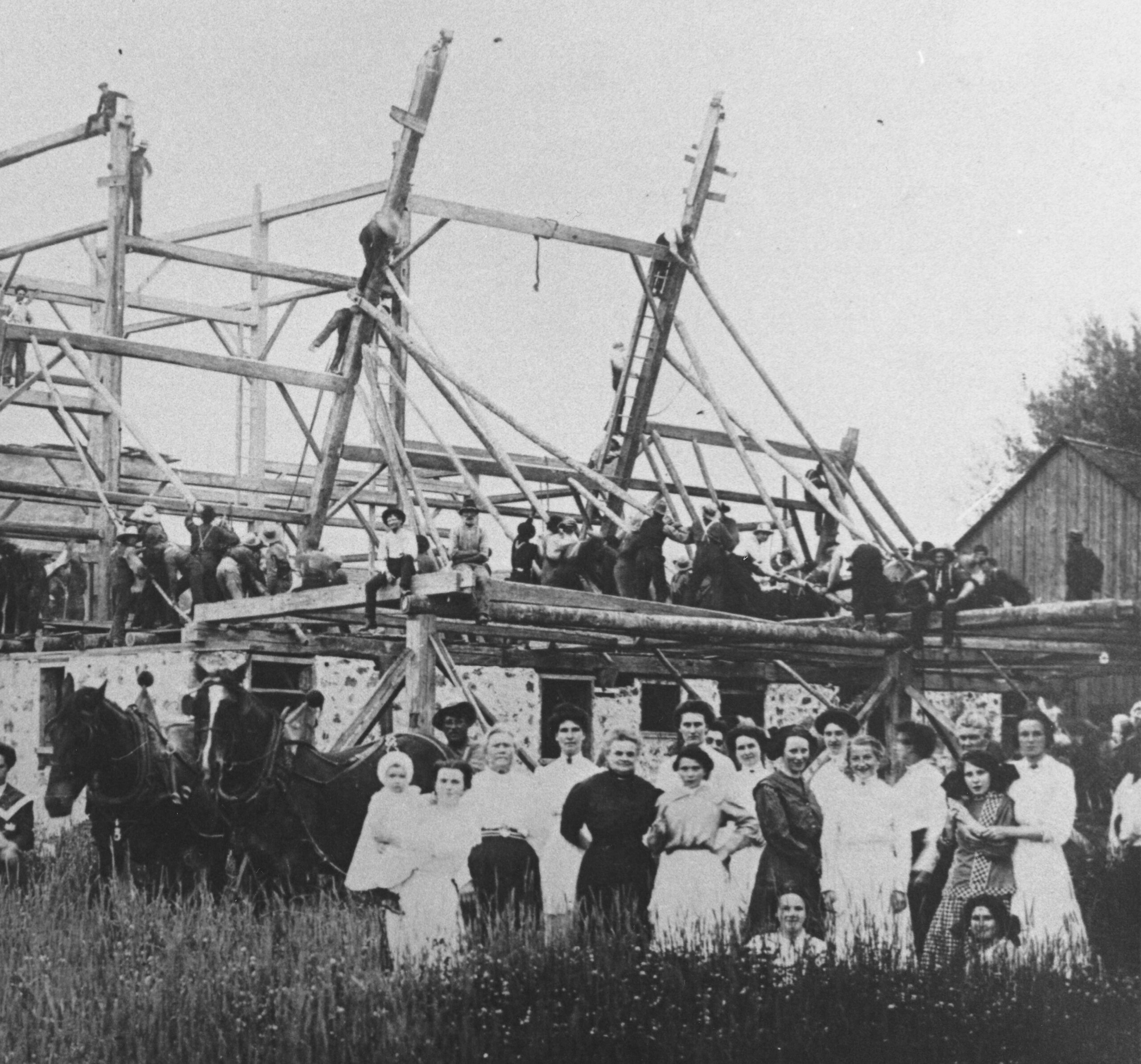
Barn raisings, quilting “bees” and other reciprocal work take us into the heart of neighbourhood, a defining part of rural life.
More attention needs to be paid to how women in the countryside thought and acted when it came to political parties, candidates, elections, citizenship, and the issues of the day

I have situated my research at the nexus of interactions between Dakotas and Scandinavian settler colonists. I have witnessed how their seemingly parallel lives—grounded in the land—intertwined and entangled.

Kittie Wilkins was the public face of the Wilkins Horse Company. A woman of superlatives, she was said to be the only woman at the turn of the twentieth century whose sole occupation was as a horse dealer.
[W]e can often find more than we ever dreamed was possible about the lives and concerns of rural girls.