Sources in Rural Women's History
Rural Women and their Things: Thoughts on the 2015 Artifacts in Agraria Symposium
Material cultural studies are necessary when telling the story of rural women’s lives.
Material cultural studies are necessary when telling the story of rural women’s lives.
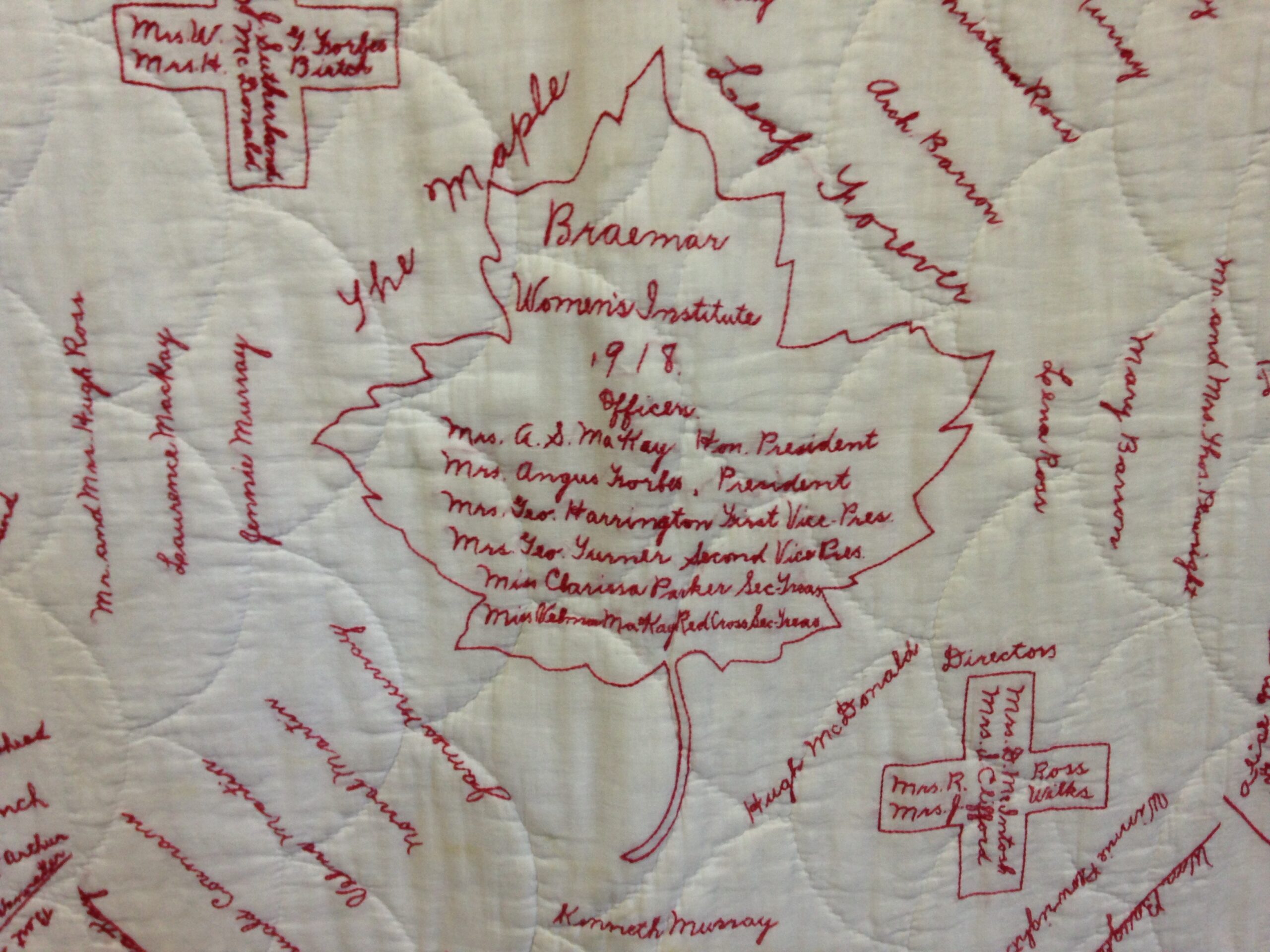
The quilting bee continued to be a mainstay in many Canadian communities during WWI.

My current research project has been transformed by digital technologies.

I want to write a new kind of book – one that exists in a dynamic and living space, responsive to readers and as instructive in design as it is in content.
Read, Transcribe and Enjoy Rural Women’s Diaries Online https://ruraldiaries.lib.uoguelph.ca/ Catharine Anne Wilson Have you ever wanted to read someone’s diary? Now you can. Nothing brings you closer to rural women’s daily life in the past than reading an old diary. The Rural Diary Archive is available online beginning 24 September Read more

I have situated my research at the nexus of interactions between Dakotas and Scandinavian settler colonists. I have witnessed how their seemingly parallel lives—grounded in the land—intertwined and entangled.

In honor of the upcoming thirty-fifth anniversary of Joan M. Jensen’s publication of her landmark collection of primary documents,With These Hands: Women Working on the Land (1981), the Rural Women’s Studies Association sponsored a roundtable highlighting innovative uses of primary sources for studying rural women at the 2015 annual meeting of Read more
[W]e can often find more than we ever dreamed was possible about the lives and concerns of rural girls.
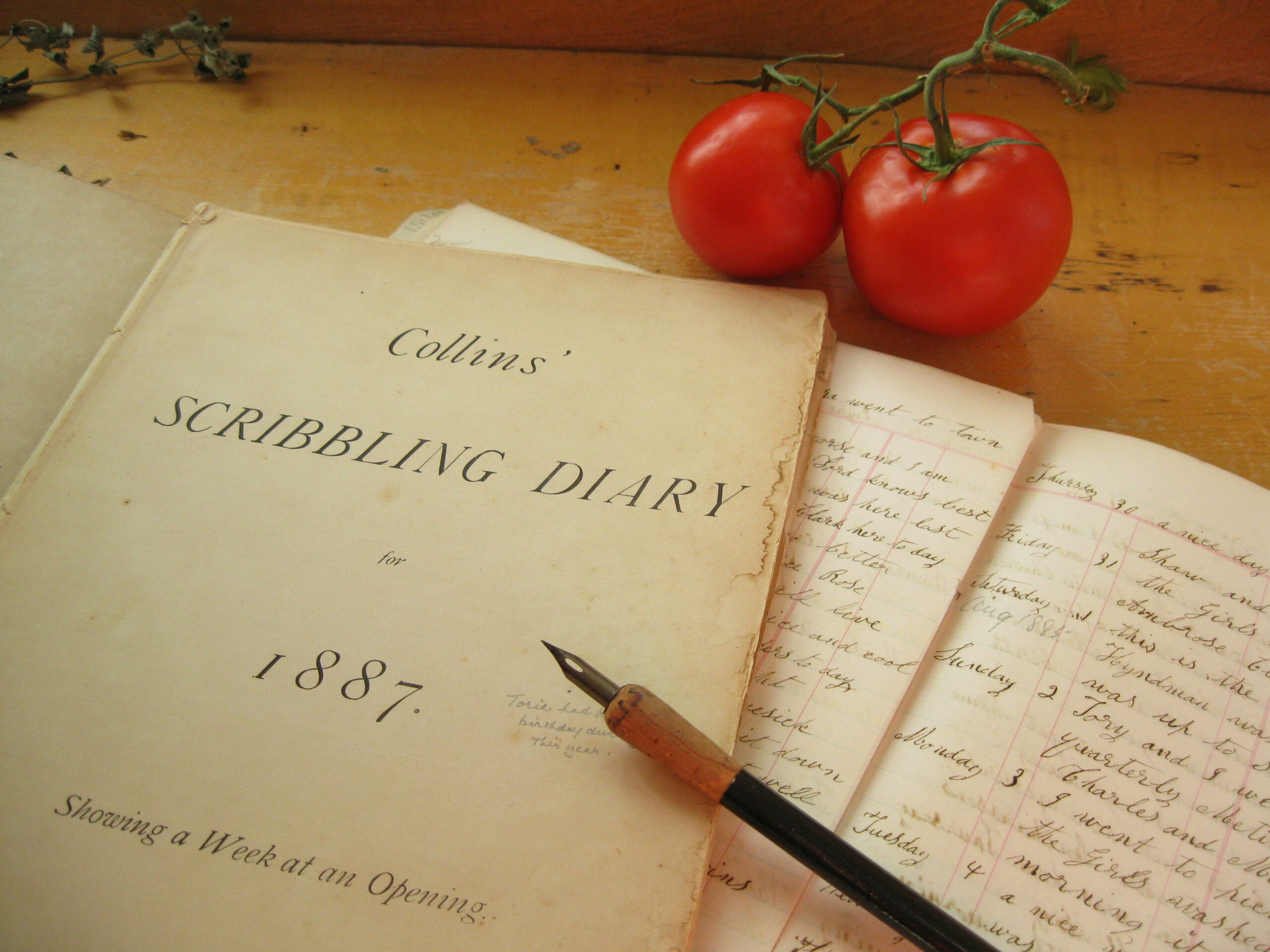
Scholars have found new ways to read “between the lines” of women’s diaries.
Historians of the Civil War and Reconstruction eras owe a particular debt to an often-overlooked group of record keepers: homesick women.