Activism
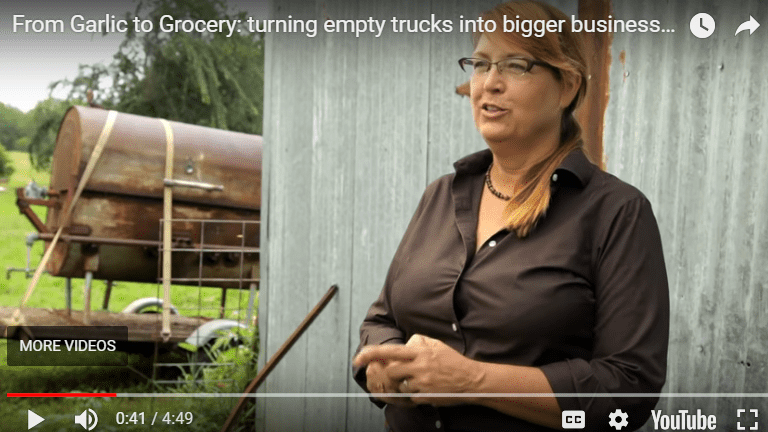
From Garlic to Grocery: turning empty trucks into bigger business for rural Minnesota
How can we connect rural grocers and farmers to overcome food deserts?
How can we connect rural grocers and farmers to overcome food deserts?
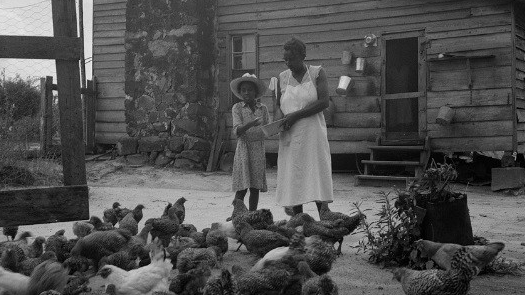
After the Second World War, the development of agribusiness exploded with unprecedented ferocity. Out of all of the changes that agribusinesses attempted to impress upon farming communities, a reorientation of gender roles may be the most profound.
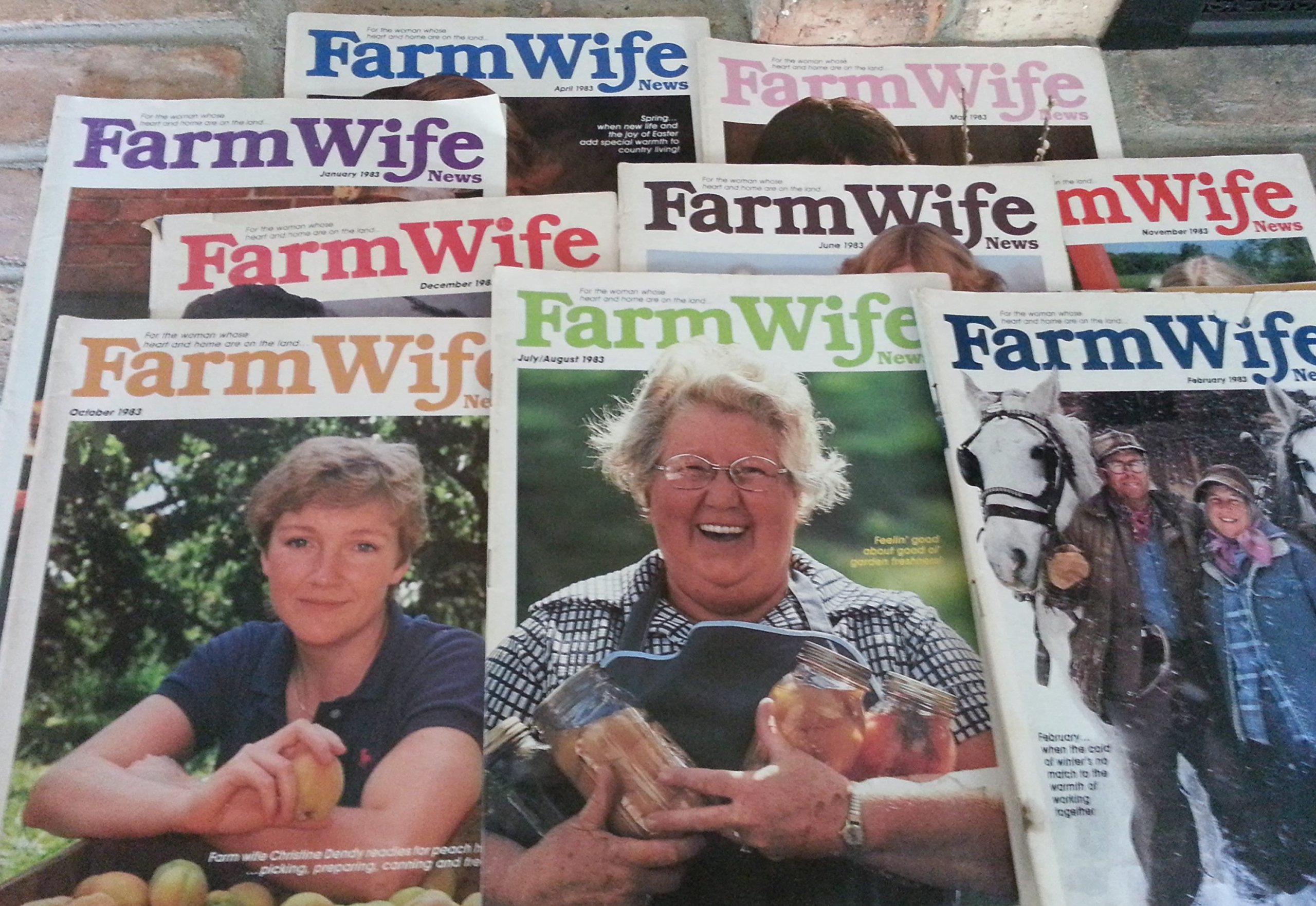
The Farm Crisis of the 1980s was a time of upheaval in American agriculture, second only to the long depression of 1920-1940. The crisis affected many different facets of farm life, including farm women’s roles.

Wild Mares, chronicles my journey through six lesbian-feminist land projects during the 1970s and ‘80s.
The Langham Place group thus challenged dominant conceptualisations of respectable femininity for rural womenthroughout the second half of the nineteenth-century

Material cultural studies are necessary when telling the story of rural women’s lives.

In honor of the upcoming thirty-fifth anniversary of Joan M. Jensen’s publication of her landmark collection of primary documents,With These Hands: Women Working on the Land (1981), the Rural Women’s Studies Association sponsored a roundtable highlighting innovative uses of primary sources for studying rural women at the 2015 annual meeting of Read more

Essays based on superb papers presented at the 2012 Rural Women’s Studies Association conference, which span time and place, appear along with an introduction in the Summer 2015 issue of Agricultural History.