Food Studies
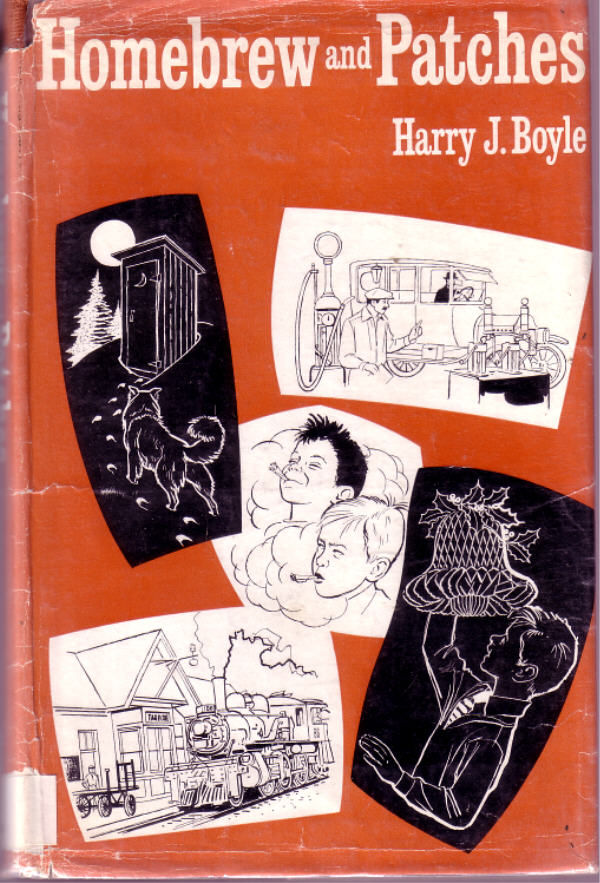
A Canadian Farmstead’s Baked Beans: Luscious Lesson
We can learn a lot from the way a family bakes its beans . . .
We can learn a lot from the way a family bakes its beans . . .

The editors seek books that explore families —as they adjust to changing intimate relationships, uncertain economic situations, and contested political contexts.
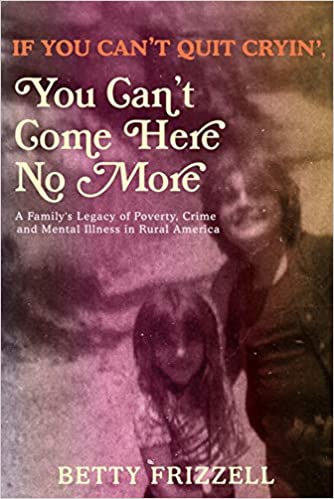
Growing up, the women around me did a lot of talking, but no one heard them.

[D]espite the pressures of harvest, August allowed the Sweetser family time for their favorite summer activities: Chautauqua, picnics, and lake excursions.

I physically experience farm life in the context of the research I conduct, and I often reflect on the lives of women in this same place when it was in its ascendancy.

In Heartland, Smarsh eloquently unpacks the harsh realities of the working poor in places that are simultaneously celebrated as the nation’s “heartland” and mocked as being part of the “great flyover.”
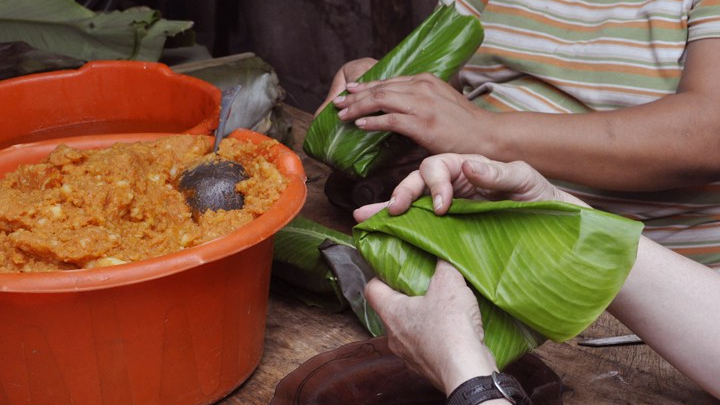
Feminism, food, and fun made “Tamale Making and Storytelling” one of the most productive academic panels Salmanson has ever attended.
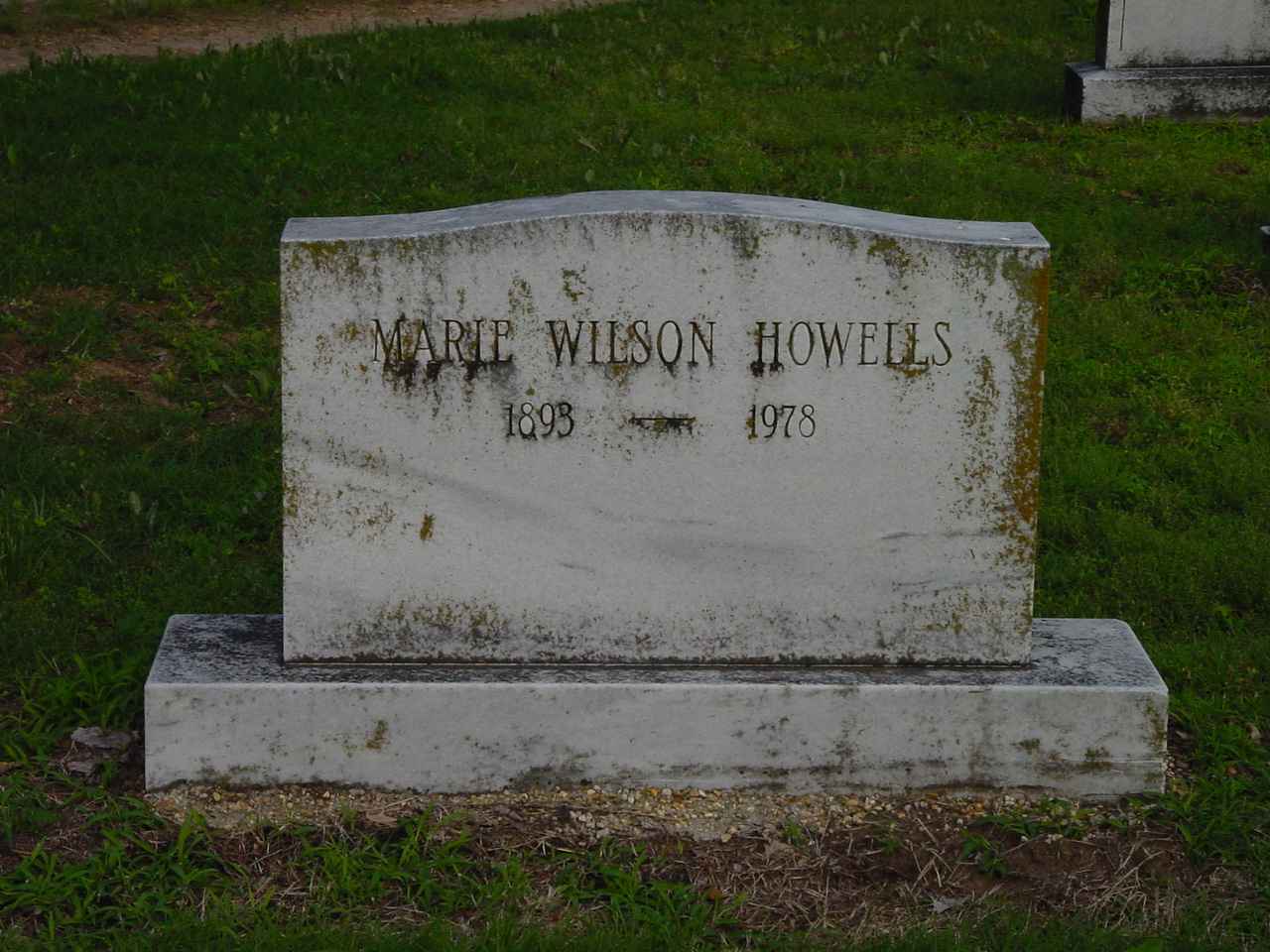
Marie Wilson rejected the rigid world of the plantation and embraced an unorthodox and worldly lifestyle.
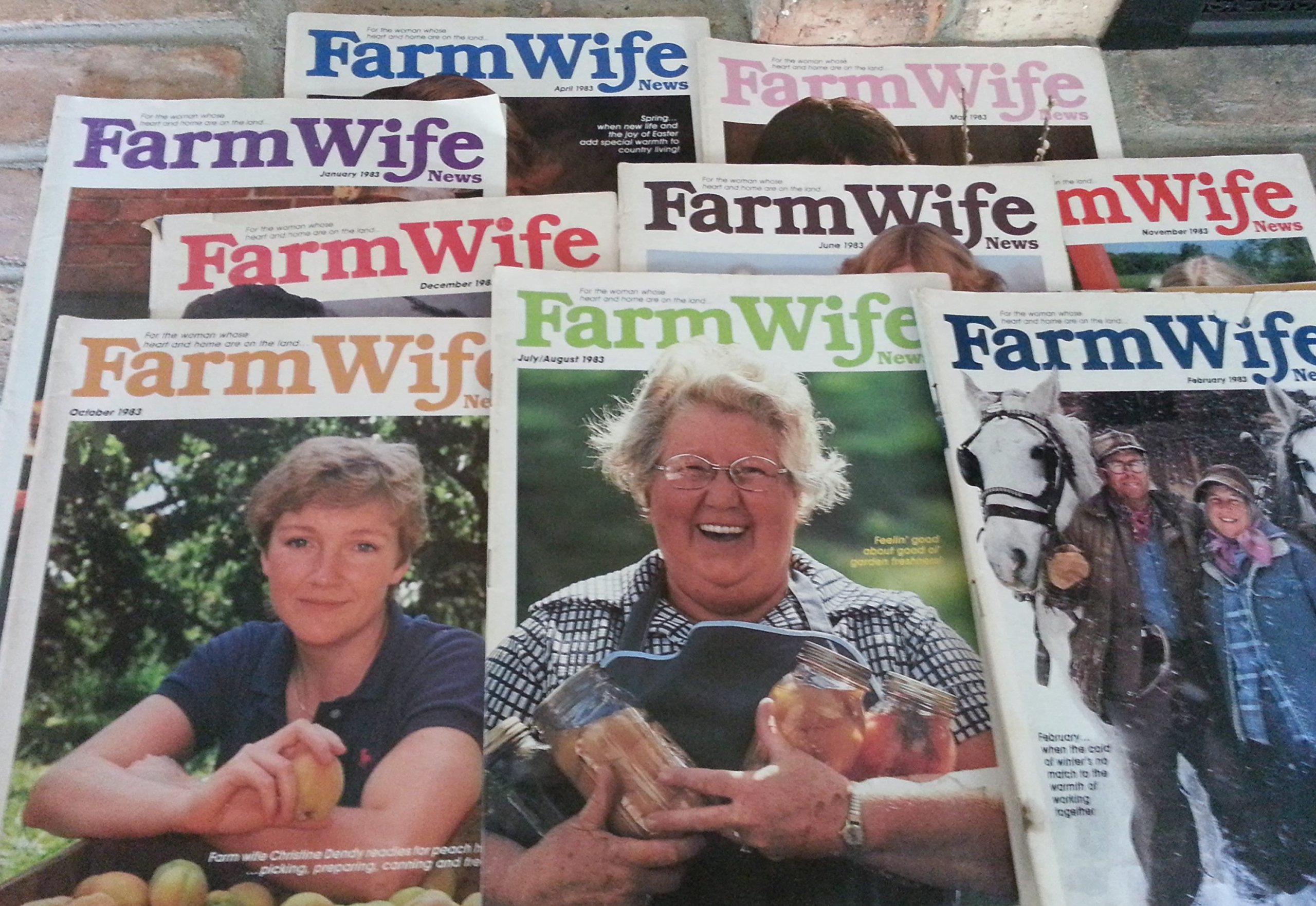
The Farm Crisis of the 1980s was a time of upheaval in American agriculture, second only to the long depression of 1920-1940. The crisis affected many different facets of farm life, including farm women’s roles.

“My book examines … how farm people… negotiated these conflicts through their work with farm and home bureaus… These broad cultural and societal conflicts mirrored a tension that existed in my own family experience.”